
Categories
Arizona Local, Growth, Home, Local Guide, Tips and TricksPublished September 8, 2026
Moving To Arizona's West Valley? 7 Things To Know Before You Move.

.png)
Moving to Arizona’s West Valley? 7 Things to Know Before You Move
Moving somewhere new is exciting—but before you start saving every beautiful kitchen and backyard that appears in your home search, it helps to lay the right foundation.
Arizona’s West Valley includes a wide variety of cities, communities and lifestyles. From established neighborhoods in Glendale and Peoria to growing master-planned communities in Surprise, Goodyear, Buckeye and Waddell, there is no single version of “West Valley living.”
The right place for you will depend on much more than the home itself. Your daily commute, preferred lifestyle, budget, community amenities and future plans should all help guide your search.
If you’re thinking about moving to Arizona’s West Valley, here are seven important things to know before deciding where to call home.
Prefer to watch? Check out our video, “Thinking About Moving to the West Valley? Start Here,” for an honest introduction to the area and what you should consider before beginning your home search.
7 Things To Know Before You Move To The West Valley in Arizona
1. The West Valley Is Not One Single Lifestyle
One of the first things to understand is just how diverse the West Valley really is.
Someone living near the entertainment and established neighborhoods of Glendale may have a very different daily experience from someone living in a newer community in Buckeye. Peoria offers everything from established central neighborhoods to newer areas near outdoor recreation, while Sun City and Sun City West are known for active-adult living.
Depending on where you look, you may find:
- Established neighborhoods with mature landscaping
- New construction and master-planned communities
- Active-adult communities
- Homes with RV garages or larger lots
- Low-maintenance townhomes
- Neighborhood pools, parks and walking trails
- Areas close to shopping, entertainment and major freeways
- Quieter communities farther from the center of the action
That variety gives buyers plenty of options—but it also means that choosing the right city is only the beginning. Two neighborhoods located within the same city can still offer very different lifestyles.
Before focusing on houses, think about how you want your everyday life to feel.
2. Your Commute Deserves as Much Attention as the House
That perfect home may look “only 30 minutes away” on a map—until you make the drive during rush hour.
If you’ll be commuting for work, school, medical appointments or family responsibilities, test the drive at the times you would normally be on the road. Don’t rely only on mileage or an estimate viewed during a quiet part of the day.
Consider how close you want to be to major routes such as Loop 101, Loop 303 or Interstate 10. Then think beyond your work commute:
- Where do your family and friends live?
- How often will you travel to other parts of the Valley?
- Which schools, activities or medical providers will you visit regularly?
- How close do you want to be to shopping and restaurants?
- Are you comfortable driving farther for a quieter neighborhood or additional space?
Moving just 10 or 15 minutes in one direction can significantly change your daily routine. A home should fit your life—not require you to reorganize your entire life around its location.
3. You May Find More Space and Options for Your Budget
The combination of space, value and choice is one reason many people consider moving to the West Valley.
Depending on the location and type of property, buyers may find newer homes, larger lots, community amenities or features such as RV gates and garages. Some buyers discover options in the West Valley that they hadn’t expected to find within their budget.
However, “more value” does not automatically mean that every area or home will be inexpensive. Prices vary based on the city, neighborhood, home condition, lot, amenities and current market conditions.
Your monthly payment also involves more than the home’s purchase price. When comparing properties, remember to consider:
- Property taxes
- Homeowners insurance
- HOA fees
- Utility costs
- Maintenance needs
- Commuting expenses
- Potential repairs or improvements
The best value is not always the lowest-priced home. It is the home that fits your finances, lifestyle and long-term plans without creating unnecessary strain.
4. New Construction and Established Homes Offer Different Advantages
The West Valley offers both new construction and established neighborhoods, and neither is automatically the better choice.
New construction may appeal to buyers who want modern layouts, current finishes, energy-efficient features and community amenities. Some buyers also enjoy having the opportunity to select certain design elements.
Just remember that the advertised starting price may not reflect the final cost. Lot premiums, design upgrades, appliances, window coverings, backyard landscaping and other additions can quickly affect your total investment.
You should also ask what is planned around the community. Today’s open view could eventually become another phase of homes, a commercial development or a roadway.
An established home may offer mature landscaping, a larger lot, an existing pool or improvements that have already been completed. You can also see how the neighborhood has developed over time.
However, the age and condition of major components—including the roof, HVAC system, plumbing and electrical systems—should be carefully considered.
If you decide to explore new construction, bring your own real estate agent from your first visit. The builder’s representative works for the builder. Your agent is there to help you understand the process, ask questions and advocate for your interests.
5. Growth Brings Opportunities—and a Few Growing Pains
The West Valley continues to evolve, bringing new housing, restaurants, shopping, entertainment, healthcare facilities and employment opportunities.
That growth is exciting. It means many residents can enjoy more of what they need without regularly traveling across the Valley. Sporting events, concerts, spring training, local restaurants, parks and outdoor recreation are all part of the West Valley lifestyle.
Growth can also bring construction, traffic changes and undeveloped areas that may look very different several years from now.
Before buying, research what is currently being built and what may be planned nearby. Consider proposed roads, commercial developments, schools and future housing phases.
Understanding an area’s direction can help you choose a community that supports both your current needs and your future plans.
6. The Arizona Heat Should Influence Your Home Search
Yes, Arizona is hot—and West Valley summers are not shy about proving it.
The home you choose can affect how comfortable you are and how much energy you use. Pay attention to:
- The home’s orientation
- The age and condition of the HVAC system
- Window quality and sun exposure
- Insulation and energy-efficient features
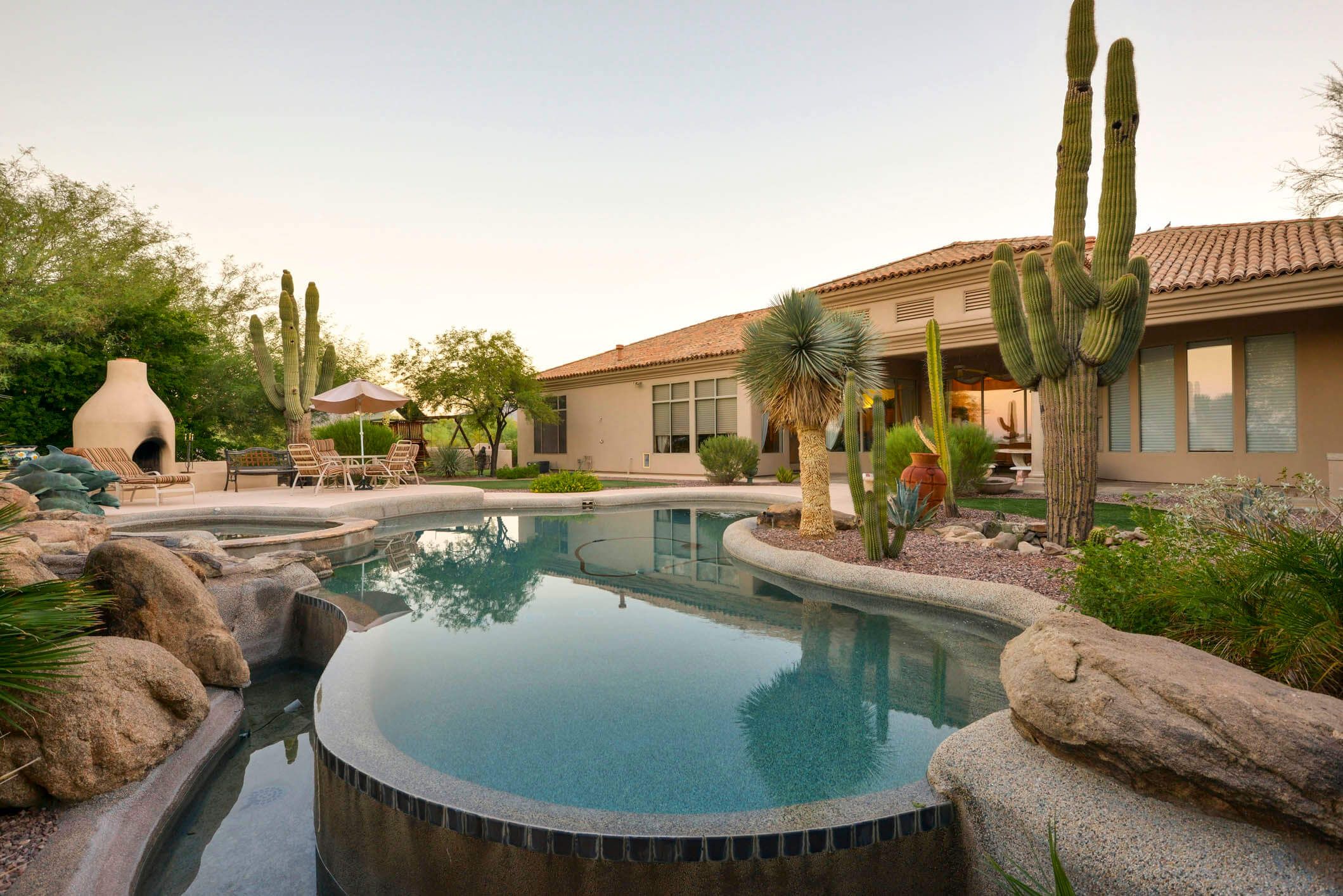
- Covered patios and shaded outdoor areas
- Pool maintenance and expenses
- Landscaping and irrigation needs
- Garage temperature and storage plans
A beautiful wall of windows may create wonderful natural light, but it can also bring significant afternoon heat depending on the home’s orientation.
These details may not be as exciting as countertops or flooring, but they can make a noticeable difference in your everyday comfort. In Arizona, a well-maintained air-conditioning system is not simply a nice bonus—it is one of the hardest-working parts of your home.
7. The Best Community Is the One That Fits Your Real Life
It is easy to become focused on square footage, bedroom count and finishes. But the best home search begins with the life you want to live there.
The West Valley may be a great fit if you want:
- A suburban lifestyle with access to city amenities
- Community parks, pools and walking trails
- Newer construction or master-planned living
- Options for larger lots, RV storage or hobbies
- Access to sporting events, concerts and spring training
- Nearby hiking and outdoor recreation
- Active-adult community options
- A growing area with expanding conveniences
Before beginning your search, make three simple lists.
Your daily-life essentials: Work, school, healthcare, family, hobbies and the places you visit regularly.
Your home priorities: Space, yard size, community amenities, home age, layout, pool, RV parking or low-maintenance living.
Your deal-breakers: Commute time, HOA restrictions, stairs, age restrictions, maintenance demands or distance from important services.
These lists create a strong foundation for your search and help you compare homes based on more than photographs.
Your West Valley Move Starts with the Right Information
The West Valley is not one community with one type of lifestyle. It includes many cities and neighborhoods, each with its own personality, conveniences, housing options and tradeoffs.
The right place for you might be near the entertainment in Glendale, outdoor recreation in Peoria, growing amenities in Goodyear or Surprise, newer communities in Buckeye or Waddell, or active-adult living in Sun City or Sun City West.
You don’t have to know exactly where you belong before starting the conversation. That is what we are here to help you explore.
The DaughterDad Team knows Arizona’s West Valley, and we believe the right move starts with understanding your lifestyle, priorities, budget and plans—not simply sending you a list of available homes.
Thinking about moving to the West Valley? Contact us and tell us what you’re looking for. We’ll help you explore the communities that make the most sense for the way you want to live.

Keslie Halonen
Co-Founder | Daughter | REALTOR® | Daughter Dad Team | Keller Williams Realty Professional Partners
or another way